


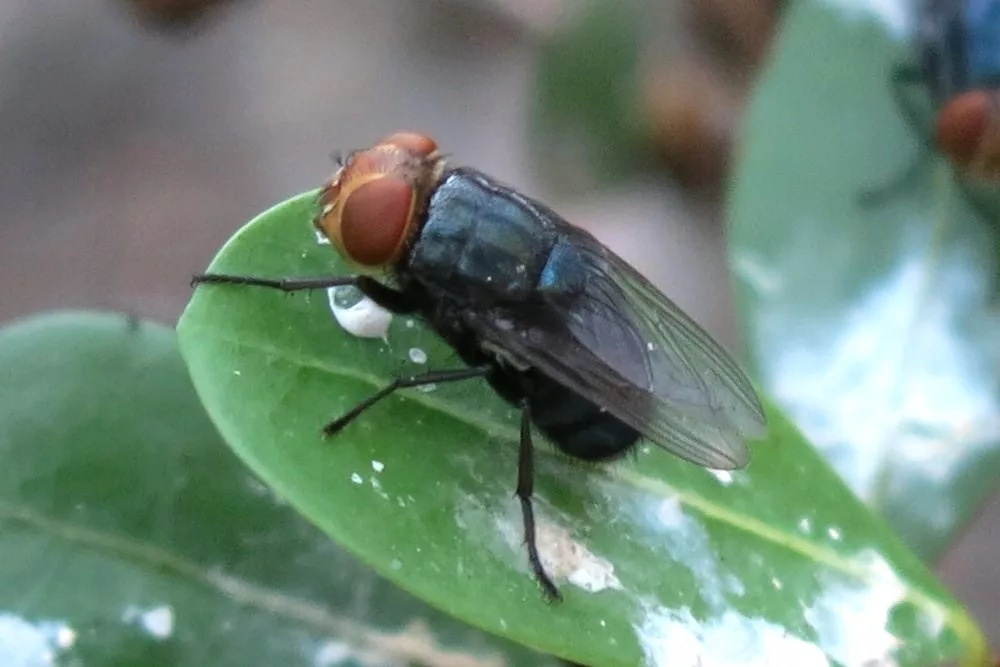
The Maryland Department of Health said the patient with the first human infection of a travel-associated New World screwworm in the U.S. has recovered from the flesh-eating parasite. There was also no sign of transmission to other people or animals.
The Health and Human Services Department said the disease was confirmed on August 4 in a person who traveled to El Salvador. The CDC then reported it on August 24 after a three-week delay.
R-CALF USA CEO Bill Bullard indicated that neither the CDC nor the USDA had disclosed the NWS detection to the public. Instead, one or both agencies had selectively notified only certain industry participants of the detection, thereby giving them insider information regarding an issue with potentially severe ramifications.
“Independent U.S. livestock producers rely exclusively on the USDA to protect the health and safety of their livestock herds against the introduction of foreign pests,” Bullard said.