


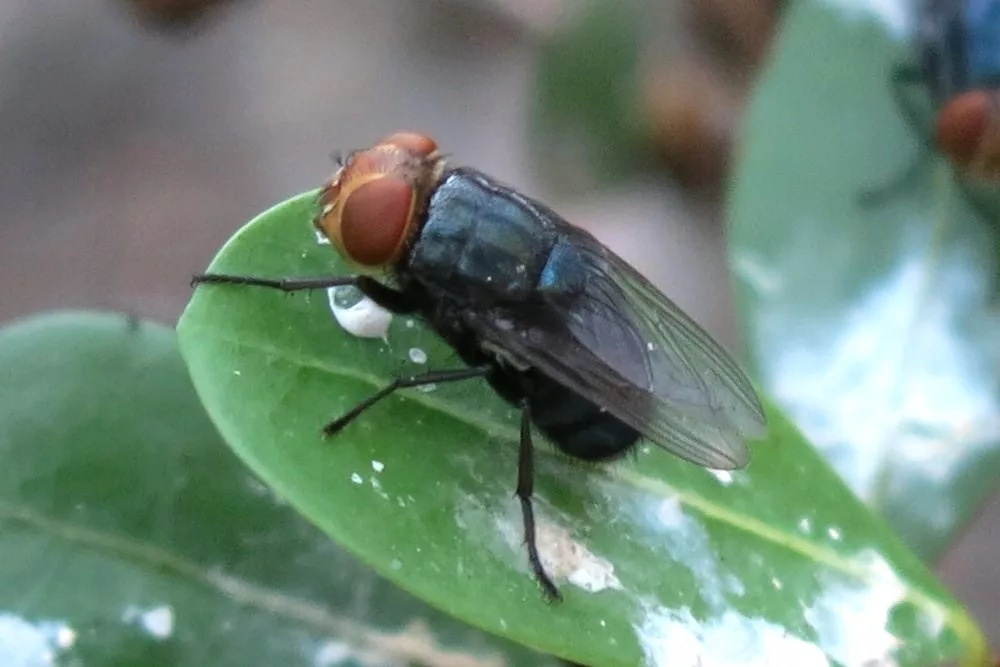
Mexico’s National Health Service confirmed a new case of New World screwworm less than 70 miles from the border between Mexico and the U.S.
USDA says this is the farthest north the screwworm has advanced in Mexico during the current outbreak, and it is the most threatening to the American livestock industry. The location of the outbreak is on a major highway between Monterrey, Mexico, and Laredo, Texas.
Colin Woodall, the CEO of the National Cattlemen’s Beef Association, says the news is deeply concerning. “The speed that the screwworm has moved through Mexico is a reminder that this pest poses a critical and urgent threat to America’s cattle producers,” he said. “We appreciate the USDA’s investment in resources to protect American agriculture and the FDA’s work to authorize emergency treatments for screwworm, and look forward to additional product approvals.”
He also said it’s time to expedite the construction of a new sterile fly facility.