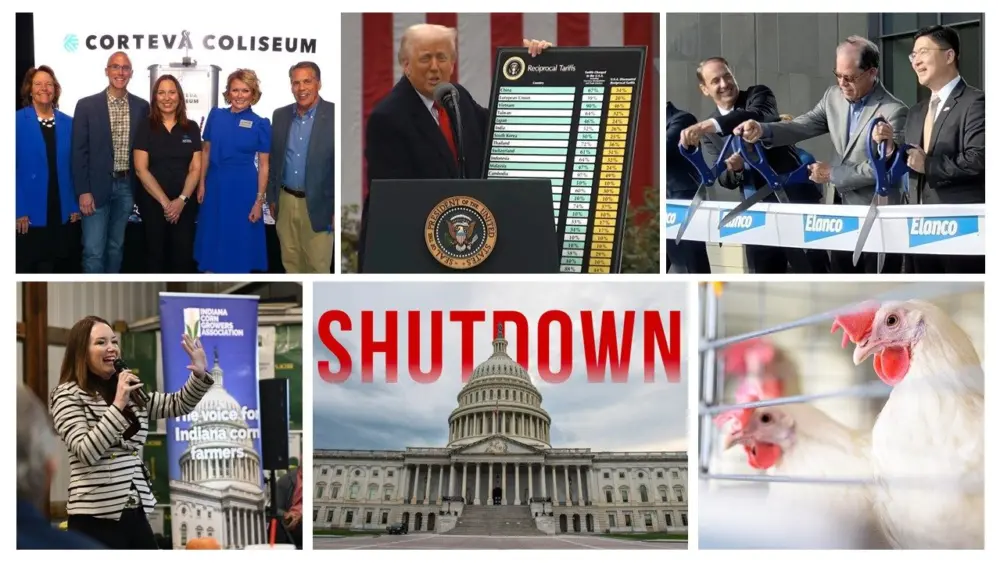
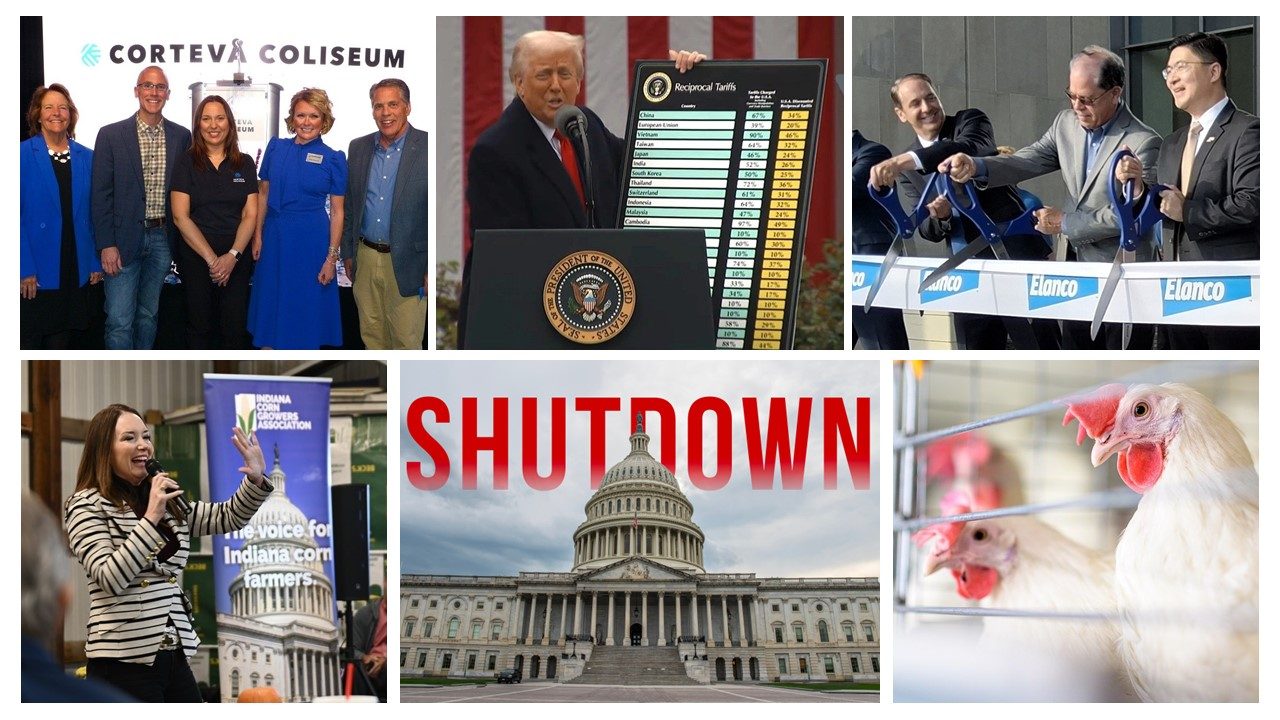
With 2025 coming to a close, we thought we take a look back—in no particular order—at some of the top ag news stories from Indiana and across the U.S. that you heard us cover during the past 12 months on Hoosier Ag Today.
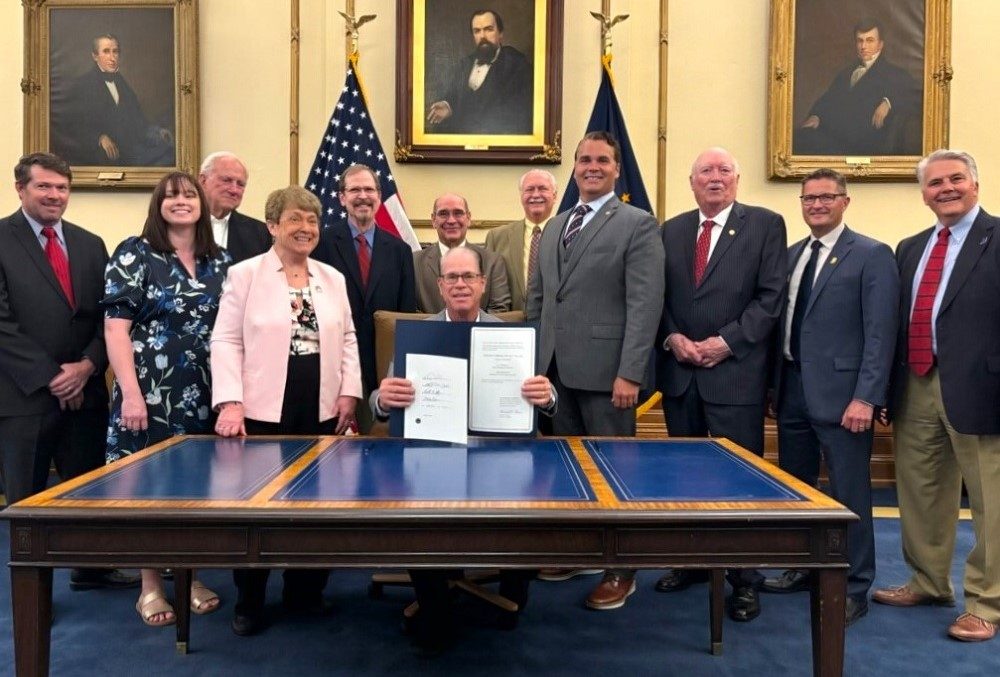
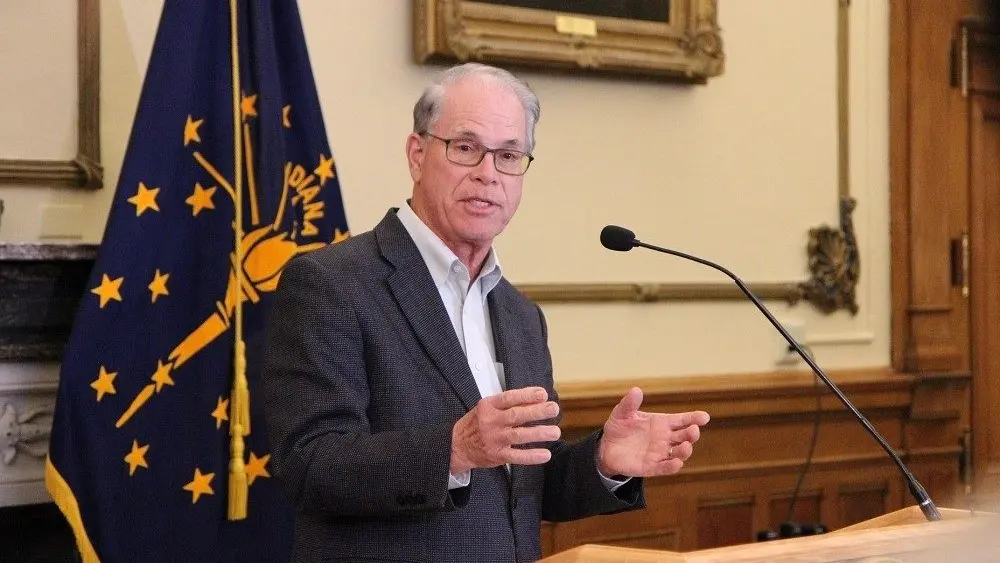
We start with changes of leadership in Washington, D.C. and Indianapolis. President Trump returned to the White House for another term, while Mike Braun became Indiana’s 52nd Governor in January.
Also in January, Indiana’s new Lieutenant Governor, Micah Beckwith, also becomes Indiana’s Secretary of Agriculture and the head of the Indiana State Department of Agriculture (ISDA). Don Lamb, who was appointed as the state’s Director of Agriculture by Governor Eric Holcomb, was asked to retain his position by Governor Braun and was also appointed to serve on the board of the Indiana Economic Development Commission (IEDC).
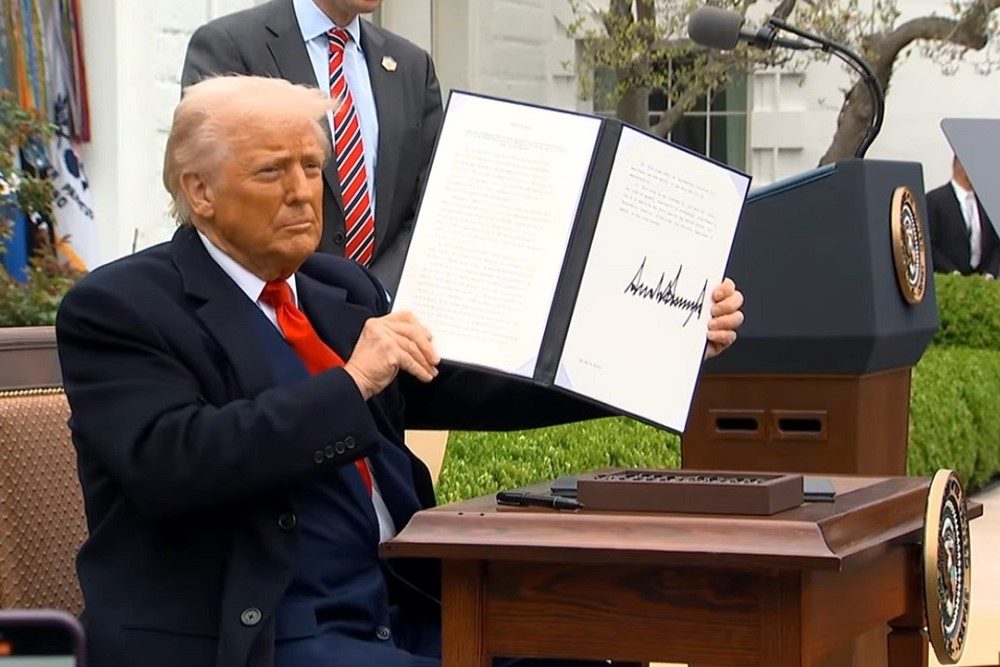
President Trump had campaigned on raising tariffs on our international trading partners. It was on April 2 from the White House Rose Garden that Trump officially announced he was imposing reciprocal tariffs on imports that would range anywhere between 10 to 46 percent.
Although Trump used the threat of tariffs as leverage to create new trade agreements with the European Union, South Korea, Japan, the reciprocal tariffs led to a trade war with China, who stopped buying U.S. soybeans altogether beginning in May.
“We’re very concerned because exports are the heart and soul of the soybean industry here in the United States,” said Caleb Ragland, President of the American Soybean Association (ASA). “We export right at 50 percent of all of the soybeans we produce,” according to Ragland. “China, in particular, is our largest export customer, currently taking right at a quarter of all of U.S. production. So, every fourth row of soybeans you see has been going to China.”
It wasn’t until early November that the U.S. reached a new trade agreement with China—but by that time, the price of soybeans had fallen sharply.
“The trade battle with China is really something that that basically languished the market for several months,” according to Brian Basting, Commodity Research Analyst with Advance Trading. “When the deal was finally signed, we had about a 30-day rally in soybeans, and that rally was wiped out quickly in just 30 days. From mid-October to mid-November, we had about $1.50 rally, and now in late December, it’s nearly back where it was in mid-October, so the lesson there is change happens and can be very fast.”
In early December, the Trump administration introduced a $12 billion Farmer Bridge Assistance program to help farmers who negative impacted by the tariff-related market disruptions. Of the $12 billion in farm aid, $11 billion will go to America’s row crop farmers—while the remaining $1 billion will be held back for farmers who produce specialty crops.
Another major ag news story in 2025 was the announcement that USDA would be moving many of their agencies and employees outside of Washington, D.C.
When Hoosier Ag Today reported that story in early May, a contingency of Indiana ag leaders worked together to put together a proposal for Indianapolis to be a new home for USDA. Those ag leaders traveled to Washington and met with Secretary Rollins.

In late July, USDA selected Indianapolis as one of five future regional hub locations—as well as Raleigh, North Carolina; Kansas City, Missouri; Fort Collins, Colorado; and Salt Lake City, Utah.
USDA says that Washington, D.C. will still serve as its national headquarters, but with only 2,000 of its current 4,600 employees working in our nation’s capital.
During her visit to Indianapolis for the National FFA Convention in late October, Secretary Rollins credited those Indiana ag leaders who visited her in her office for the decision to make move to Indianapolis.
“I want to give a big ‘shout-out’ to [ISDA Director] Don Lamb, who was part of a contingency that came to talk to me a couple of months ago about this, and made an extremely compelling case about how important Indianapolis is, and a Mecca of research and industry and talent and intellect and farming that is here in this part of the country. So, it became a pretty easy decision for us, and we’re excited to get USDA to Indianapolis,” said Rollins.

USDA Deputy Secretary Stephen Vaden told Hoosier Ag Today in November that the move to Indianapolis and the other four regional hubs won’t begin until this coming summer.
“We want to ensure that we are going to be the least disruptive to their lives as possible and part of that includes taking account of the school year. We want the children of those employees who will move to be able to complete their school year here in the Washington D.C. area and then be in place in time to take part in their new school system in their new home moving forward.”
Vaden said that retention is key, and the department wants to keep the institutional knowledge of their valued employees.
“We want to keep our employees. The only way we can do that is to put them in places where the government salary ensures a quality-of-life commensurate with what we would all want. Indiana is one of those places and I’m excited about the move we will be making there in the coming year.”
USDA has not yet announced which agencies, or employees will be making the move to Indianapolis—nor have they announced where those offices in Indianapolis will be located.
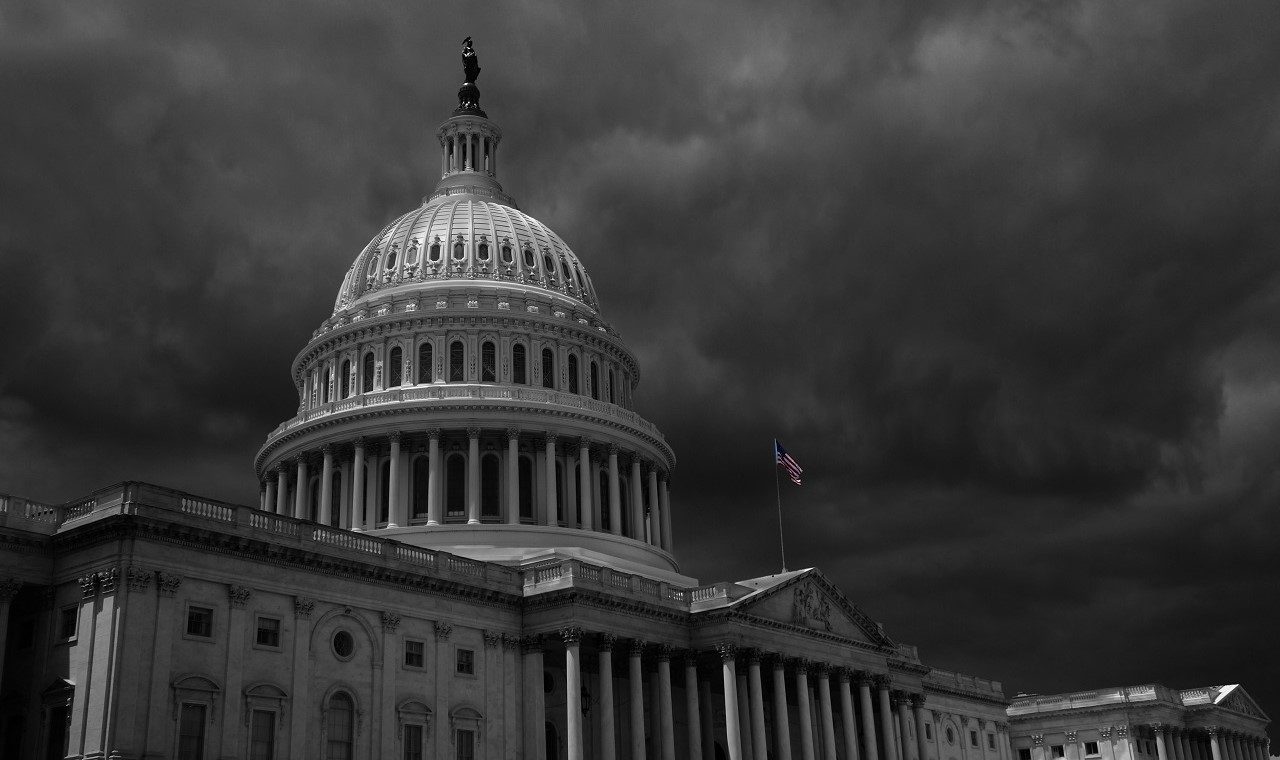
Another top ag news story in 2025 was the impact that the 43-day government shutdown had on Indiana’s farming community. The shutdown, which began on October 1, did not end until November 12 when President Trump signed a funding bill that had passed both the Senate and the U.S. House.
The bill keeps the government running through January and included the agriculture appropriations bill, which will largely fund USDA programs through September 30, 2026. However, several expiring farm bill programs and provisions were extended without additional funding. Approximately 670,000 federal workers were furloughed during the 43-day shutdown.
With USDA employees among those furloughed, many farmers reported that they saw their payments come to a stop, while others were delayed access to federal farm loans.
“Even short interruptions in payments could deepen farmers’ economic turmoil,” said Chad Hart, an agricultural economist with Iowa State University, in early October. “After all, it costs money to run those combines at harvest.”
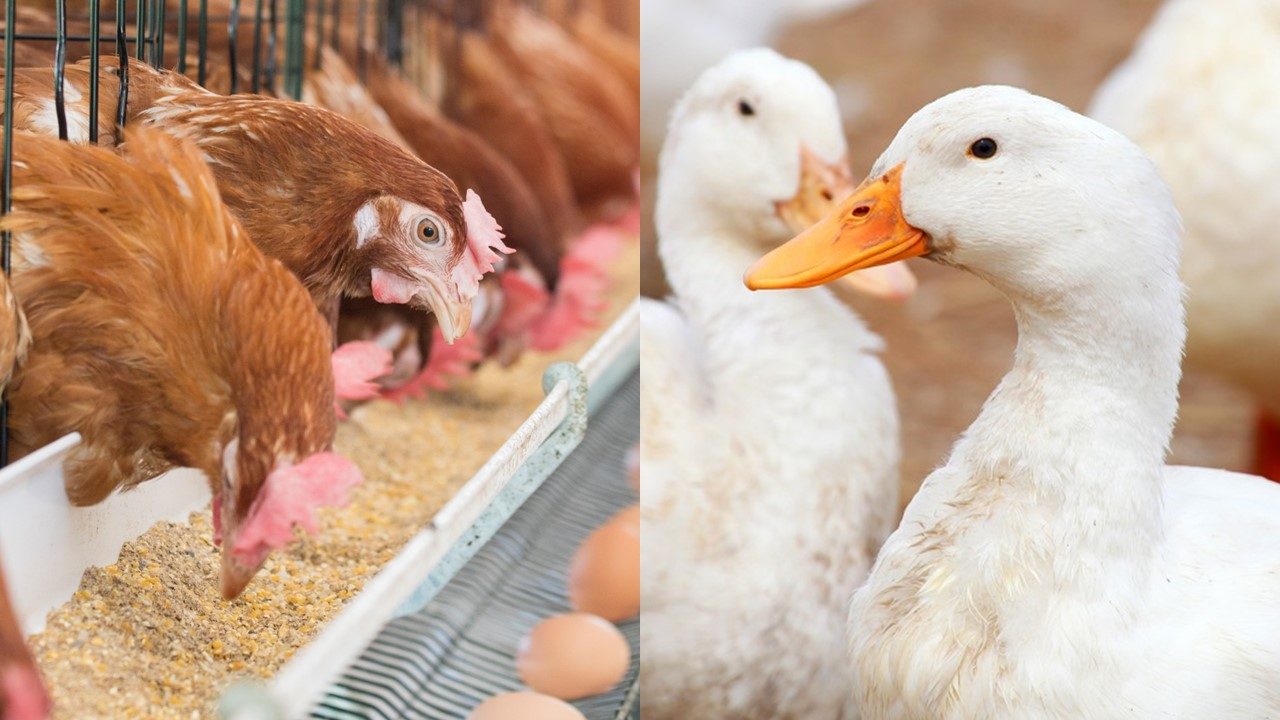
In Indiana, cases of the bird flu virus were detected on poultry farms across the state beginning just days after the beginning of the new year. In the first several months of the year, positive cases of highly pathogenic avian influenza (HPAI) were found on dozens of commercial turkey, duck, and egg production facilities throughout the state. One of the hardest hit facilities was Rose Acre Farms. In late January, company released a statement to Hoosier Ag Today confirming that a positive test for the bird flu virus was found at their facility in Cortland, Indiana—just north of Seymour in Jackson County. That led to the depopulation of more than 2.5 million birds.
In early October—following a nearly five-month absence of the virus in the state—the Indiana State Board of Animal Health reported that the bird flu virus was detected at commercial duck farms and egg production sites in LaGrange, Elkhart, and Noble counties in northeastern Indiana. Nearly one million birds have been depopulated during the final three months of 2025 as animal health officials work to contain the virus.
Indiana’s poultry sector is a major contributor to the state’s overall ag economy. Indiana ranks first in the U.S. for duck production, third for egg production, third for turkey production, and the state is a significant producer of broilers. according to USDA.
Below are some additional stories (once again, in no particular order) that Hoosier Ag Today brought you in 2025 that had a significant impact on Indiana agriculture:
- Governor Braun Signs Property Tax Relief Bill
- Corteva Announces Plan to Split into 2 Separate Companies
- Elanco Opens New $200 Million Global Headquarters in Downtown Indianapolis
- Governor Braun Signs Grain Indemnity Bill into Law
- Governor Braun Appears with Kennedy, Oz to Introduce ‘Make Indiana Healthy Again’ Initiative
- Megan VanLiew’s Family Fight for Farm Labor Reform
- Washington County Sees Flooding in Areas Due to Heavy Rain
- Purdue Agronomists Question USDA’s Record Indiana Corn Yield Estimate
- Trump Calls for Investigation into Four Major Meat Packing Companies
- Corteva, Indiana State Fairgrounds and Event Center Celebrate Unveiling of Corteva Coliseum
- Kevin Still Announces Retirement as President, CEO of Keystone Cooperative
- Kyle Shipman Officially Named Indiana State Veterinarian Following Approval from Gov. Braun
- Indiana Dairy Producer Brian Rexing Elected Chairman of NMPF
- Jackie Bowman Ponder of Greenwood Elected to NPPC Board
- AgriNovus Indiana Names Christy Wright President and CEO
- Melissa Rekeweg Named President, CEO of Agribusiness Council of Indiana
- Katie Nelson Leaves ISDA, Accepts Role as INFB Executive Director of Public Policy
- Indiana State Fair Commission Names Ray Allison as Next Executive Director to Replace Retiring Cindy Hoye