
The nation’s farm economy is experiencing a widening divide between struggling crop producers and booming livestock operations, according to a new report from the Food and Agricultural Policy Research Institute.
The 2026 U.S. Agricultural Market Outlook paints a subdued picture for much of row-crop agriculture, where net returns remain weak after commodity prices retreated from recent highs. Although grain and oilseed markets are expected to post modest rebounds in the year ahead, prices for staples such as corn, soybeans and wheat are still projected to fall below their averages of the past decade — leaving many farmers with tight or negative margins.
Corn prices are forecast to average about $4.31 per bushel for the 2026 crop year, while soybeans are projected to reach roughly $10.39 per bushel for 2026–2027. Other commodities, including cotton, rice and sorghum, are also expected to see slight price increases, but not enough to substantially improve profitability for most growers.
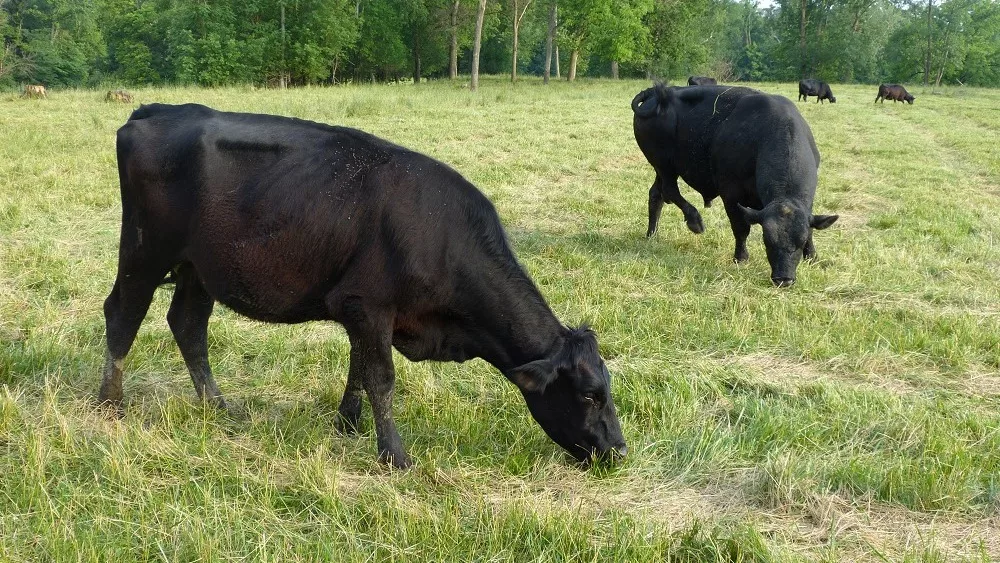
In sharp contrast, the livestock sector — particularly cattle — is experiencing a period of exceptional strength. A continued decline in the nation’s beef cow herd has tightened supplies, driving record prices and boosting returns for cow-calf producers.
That profitability, however, may be short-lived. As higher returns encourage herd expansion, the report projects that cattle prices will begin to ease by 2027, signaling the next turn in the industry’s cyclical pattern.
Taken together, the outlook underscores the uneven recovery taking shape across U.S. agriculture, where financial pressures persist for many crop farmers even as livestock producers capitalize on historically favorable market conditions.
CLICK HERE to read the full report.