

The head of the National Corn Growers Association (NCGA) is sharpening his criticism of several oil companies as lawmakers weigh legislation that would allow year-round, nationwide sales of gasoline blended with 15 percent ethanol, a change farm groups say would deliver a significant boost to U.S. corn producers and the domestic ethanol industry.
Jed Bower, an Ohio farmer who serves as NCGA president, said companies including Delek U.S. Holdings, Cenovus Energy, CVR Energy, HF Sinclair, Parr Pacific Holdings and Suncor Energy are working to block the measure by pursuing exemptions from federal biofuel blending mandates intended for smaller refiners.
At the center of the dispute is a proposed legislative fix that would remove a longstanding seasonal restriction in the Clean Air Act, which currently prevents E15 from being sold in much of the country during the summer months. Backers of the change argue that making E15 available year-round would expand demand for corn-based ethanol, creating a more stable and robust market for farmers while encouraging additional investment in biofuel production.
Under the Renewable Fuel Standard, refiners are required to blend renewable fuels into the nation’s gasoline supply, with smaller facilities eligible for exemptions if they can demonstrate economic hardship. Bower and other advocates contend that some companies have exploited those waivers despite strong financial performance, undermining the program and slowing progress on broader reforms.
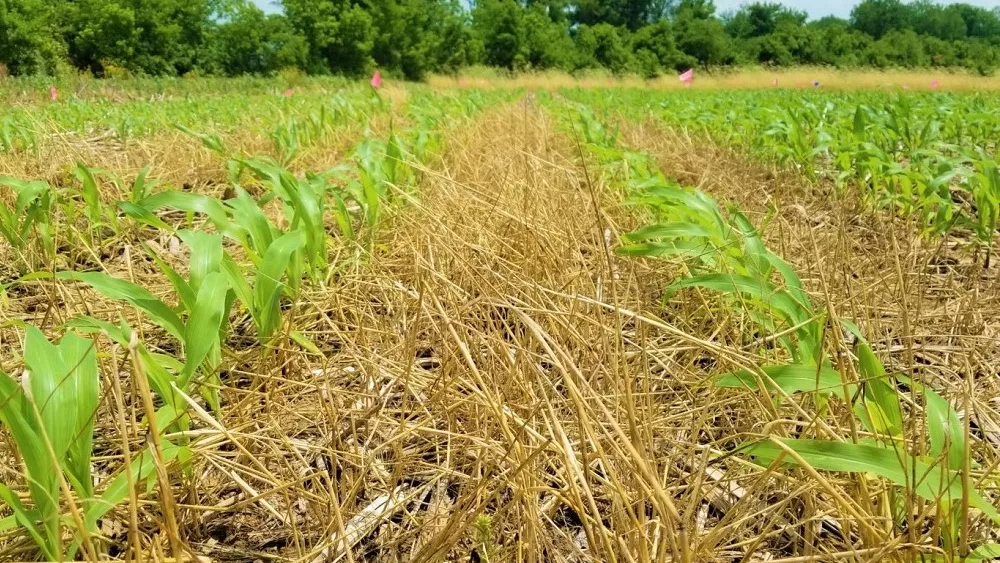
Farm groups and ethanol producers say a nationwide, permanent E15 standard would not only strengthen rural economies but also provide greater certainty for biofuel producers, who have long faced policy volatility tied to seasonal restrictions and regulatory waivers. They argue that increased ethanol blending could translate into higher corn demand, improved farm incomes and expanded production capacity across the Midwest.
Supporters also point to potential savings for drivers, noting that E15 often sells at a discount to conventional gasoline. But for agricultural interests, the larger stakes lie in securing a consistent, long-term market for one of the country’s most widely grown crops.
The House is expected to consider the amendment in the coming days, setting up a consequential test of whether lawmakers are willing to align energy policy more closely with the economic priorities of America’s farm sector.