The House-passed Farm, Food, and National Security Act of 2026 — also known as the Farm Bill — includes a new provision barring foreign adversaries from purchasing U.S. farmland, reflecting growing bipartisan concern that agricultural land has become a national security vulnerability.
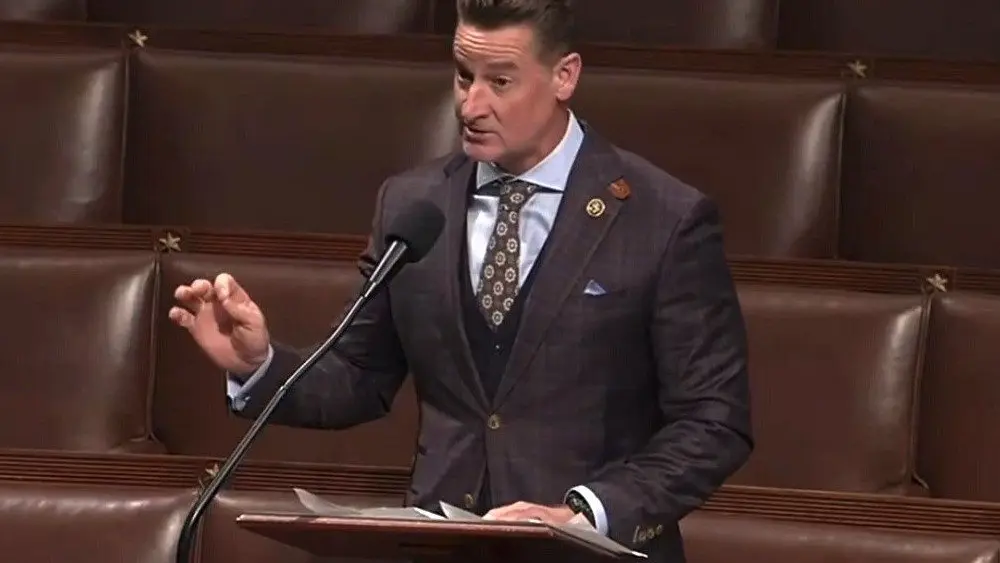
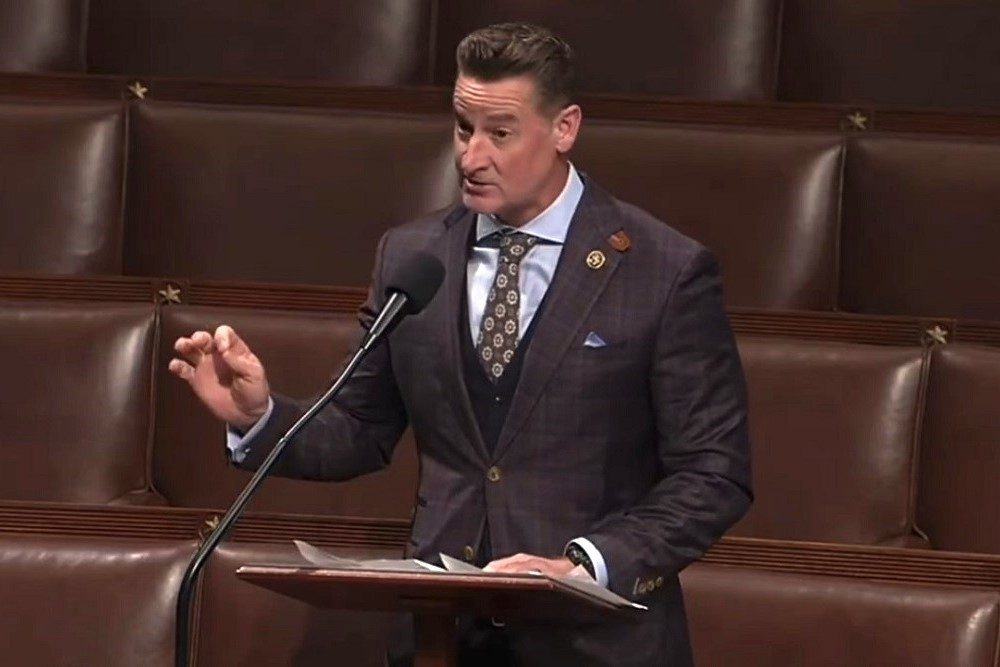
The amendment, introduced by Rep. Greg Steube (R-Fla.) and approved by voice vote, would prohibit entities tied to countries designated as U.S. adversaries — including China, Russia, Iran and North Korea — from acquiring American agricultural land. Supporters framed the measure as a necessary safeguard against hostile governments gaining footholds near sensitive military installations or exerting influence over the nation’s food supply.
“Agricultural land is a strategic asset tied directly to food supply,” House Agriculture Committee Chairman Glenn “GT” Thompson (R-Pa.) said during debate, arguing that restrictions are needed to prevent adversarial control over critical resources.
Steube, in a statement after the vote, called the measure a “huge win,” writing that “it makes zero sense why we would allow our enemies to own American land.” Rep. Troy Nehls (R-Tex.) similarly described the amendment as “common sense.”
The provision follows heightened scrutiny of foreign land purchases after a 2022 case in which a China-based company’s U.S. subsidiary acquired farmland near Grand Forks Air Force Base in North Dakota, prompting national security concerns. Lawmakers say the new restrictions are intended to close gaps in existing law that allowed such transactions to proceed.
According to the U.S. Department of Agriculture, foreign entities hold roughly 45 million to 46 million acres of American agricultural land — about 3.6 percent of privately held farmland — a figure that has steadily increased in recent years.
Under the broader farm bill, the Committee on Foreign Investment in the United States (CFIUS) would gain expanded authority to review agricultural land deals, and the agriculture secretary would be formally added to the panel, elevating food security considerations in national security decisions.