President Trump arrived in Beijing this week for a high-stakes summit with Chinese President Xi Jinping, a meeting that carries significant implications for global trade — and for American farmers still recovering from last year’s bruising trade war. While the administration is signaling confidence about securing stronger commitments from China, some lawmakers remain wary about whether Beijing will ultimately follow through.
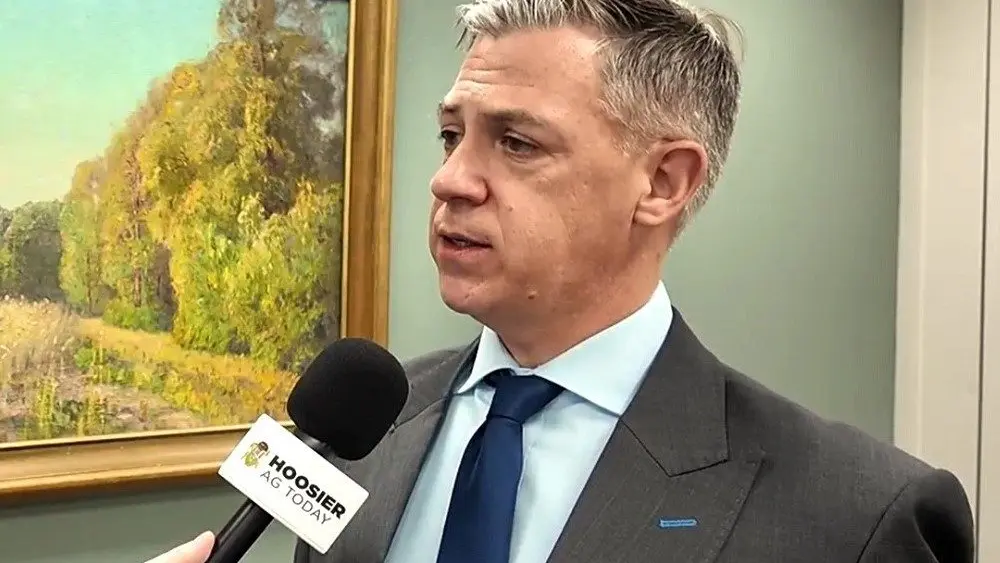
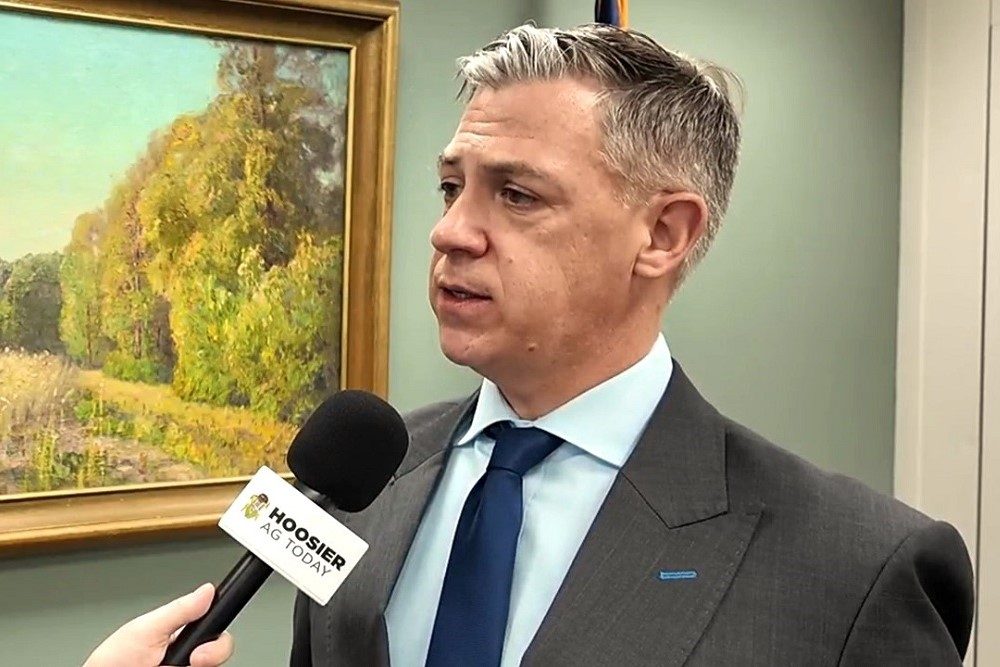
“President Trump is the first president in my lifetime who has been tough on communist China, and recognizes that they don’t play by the rules,” said Sen. Jim Banks (R-Ind.). “There’s no such thing as free trade between America and China, because China lies, steals, and cheats. They don’t keep their end of the bargain.”
The stakes are especially high for U.S. agriculture, which has long depended on China as a cornerstone export market — particularly for soybeans. American farmers, including many in Indiana, are still contending with the fallout from last year’s trade dispute, when retaliatory tariffs effectively shut U.S. soybeans out of the Chinese market for nearly seven months, from May through late October. During that stretch, Chinese buyers turned to Brazil and other suppliers, leaving U.S. producers with a glut of unsold crops, weakened prices and strained operating margins. The disruption rippled through rural economies, affecting not only farmers but also grain handlers, exporters and equipment dealers, and underscored how quickly geopolitical tensions can upend agricultural markets.
Banks stressed that restoring — and protecting — that export relationship must remain a top priority, but not at the expense of fairness.
“The soybean market is really important to Indiana, and we want China to buy our soybeans and we want them to buy our ag products. So we’ve got to protect that, but make sure that that trade is fair between our two countries. And President Trump’s going to be, I think he’s going to be very tough on China on these trade agreements, putting American jobs, American manufacturing, American agriculture first in these deals and then hold China accountable for what they promised that they’re going to do. And soybeans and agriculture’s a big part of it,” said Banks.
The current tensions trace back to the trade war that began during Trump’s first term but escalated sharply last April, when the administration imposed sweeping tariffs on Chinese imports — prompting swift retaliation from Beijing, including countertariffs and restrictions on key exports such as rare earth materials. Duties on both sides climbed to punishing levels, reaching 145 percent, before the economic strain pushed Washington and Beijing toward a temporary truce.
That trade war truce, extended after a meeting between Trump and Xi Jinping in South Korea last fall, included Chinese commitments to resume purchases of U.S. agricultural goods, including soybeans, while the United States reduced some tariffs. But the agreement left deeper structural disputes unresolved and introduced new uncertainties, including China’s export permit system for rare earths — a tool analysts say Beijing could tighten as leverage in future negotiations.
Even as attention focuses on Beijing, Banks argued that strengthening ties with closer allies could bolster the United States’ negotiating position. He pointed to the importance of maintaining and renewing the U.S.-Mexico-Canada Agreement as a way to expand market access and reduce reliance on any single trading partner.
“China is our biggest threat. They are our biggest enemy. And having good trade deals with our partners in our own backyard strengthens our hand because then we have more options, we have more leverage. And the President can go to China and use that leverage to get a better deal for America,” said Banks.
For farmers, the memory of last year’s trade war looms large over the current talks. China remains the world’s largest importer of soybeans, and even short-term disruptions can send shockwaves through commodity markets. As negotiations unfold, producers will be watching closely for signs that the two countries can stabilize their relationship — and avoid another prolonged standoff that could once again leave American crops searching for a buyer.